
Asia/Kolkata
BlogApril 24, 2026

The SOAP Bible Study Method: A Practical Guide (+ an App That Does It With You)

Sumit Vairagar
The SOAP Bible Study Method: A Practical Guide (+ an App That Does It With You)
If you've ever sat down with your Bible and thought "I read the words, but I'm not sure what to do with them," the SOAP method might be exactly what you need. It's one of the most popular Bible study methods for a reason — it's simple, structured, and it actually works. SOAP stands for Scripture, Observation, Application, and Prayer. Four steps. No seminary degree required. Just your Bible, something to write with, and a willingness to slow down. The SOAP method was designed to help everyday readers move from passive reading to active engagement with Scripture. Instead of just reading through a chapter and moving on, SOAP asks you to stop and interact with what you've read. Here's each step: Pick a passage. It doesn't have to be long — even a few verses will do. Read it slowly. Read it again. If a particular verse stands out, write it down word for word. The act of writing forces you to pay attention in a way that scanning doesn't. Now ask: what does this passage actually say? Not what you think it means yet — just what it says. Look for:
  • Who is speaking or being spoken to?
  • What is happening in the context?
  • Are there repeated words or phrases?
  • What's the tone — is it a command, a promise, a warning, a story?
This step trains you to read carefully before jumping to conclusions. Most misreadings happen because we skip observation and go straight to interpretation. This is where it gets personal. Based on what you observed, ask:
  • How does this apply to my life right now?
  • Is there a behavior to change, a promise to hold onto, or a truth to remember?
  • What would it look like to actually live this out today?
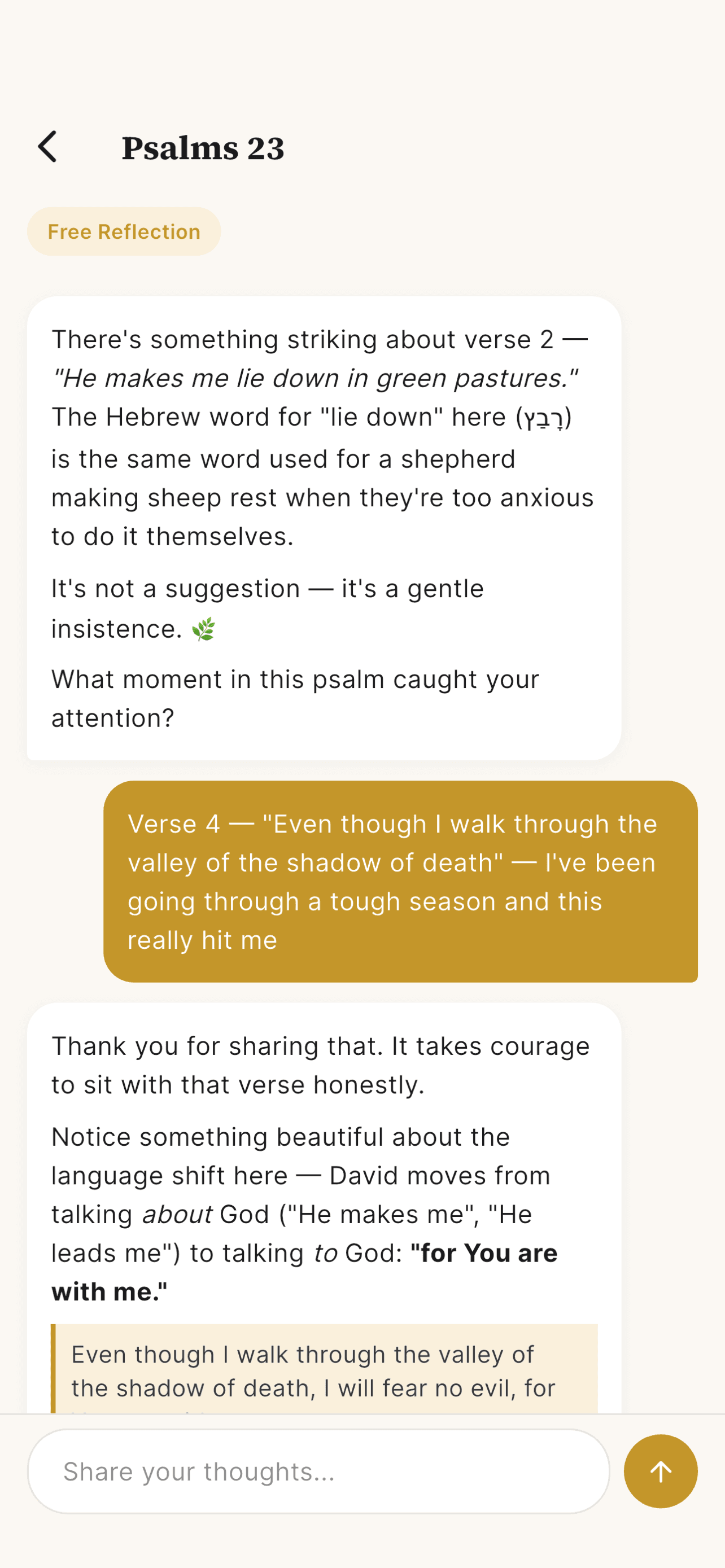
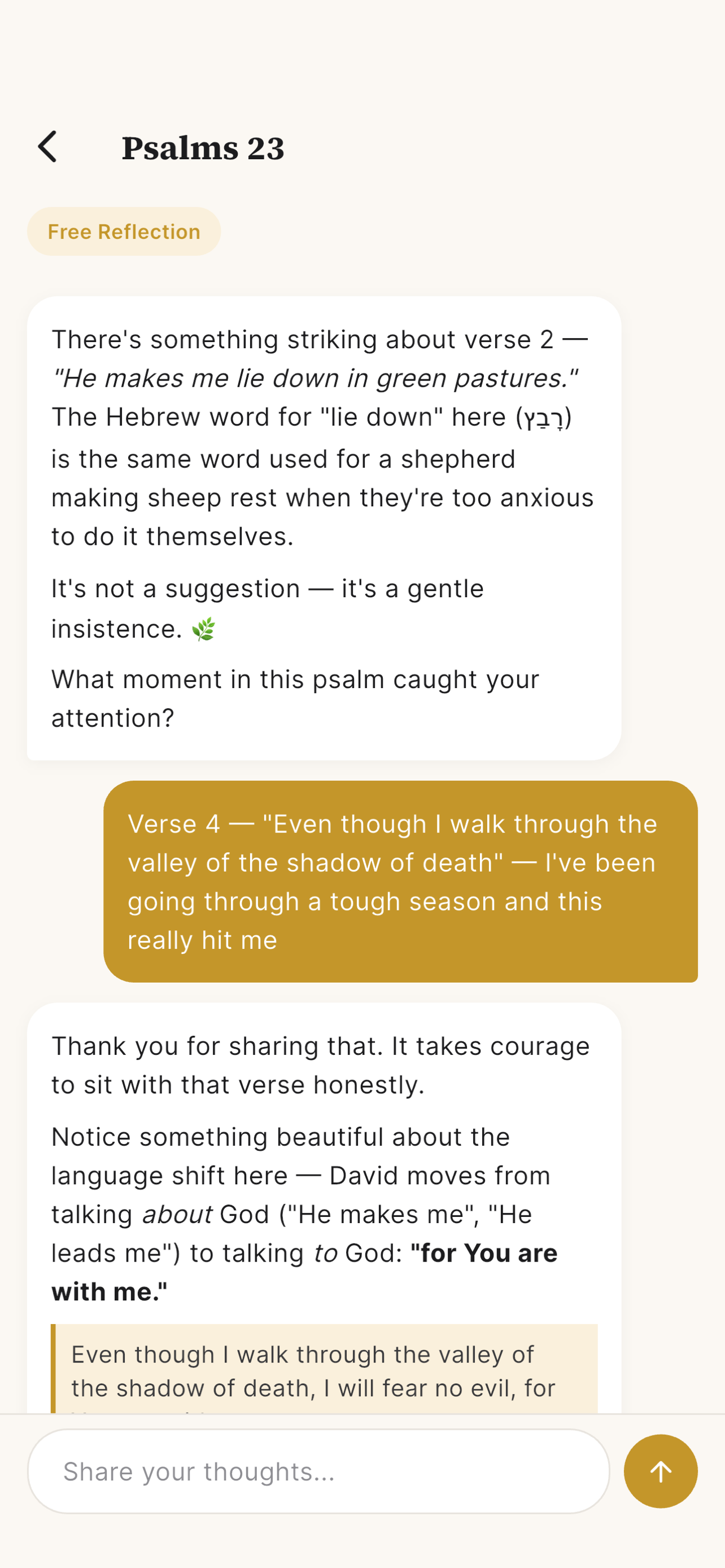
Application is what separates Bible study from Bible reading. It's the bridge between ancient text and your Tuesday morning. Respond to God based on what you've read and applied. This isn't a formula — it's a conversation. Thank Him for what you learned. Ask for help applying it. Confess where you've fallen short. The prayer step turns study into relationship. The beauty of SOAP is its simplicity. You don't need commentaries, concordances, or a theology degree. You need four questions and honest answers. It also works at any pace. You can SOAP through one verse in five minutes or spend an hour on a full chapter. It scales to your available time without losing its effectiveness. And it builds a record. If you journal your SOAP reflections, you create a personal archive of what God has been teaching you. Months later, you can look back and see patterns — recurring themes, answered prayers, growth you didn't notice in the moment. Here's where most people get stuck. The Observation step is hard when you don't know the historical context. The Application step can feel repetitive when you're always asking yourself the same questions. And without someone to bounce ideas off, it's easy to stay surface-level. This is why Bible study groups exist — but not everyone has access to one, and not everyone wants to share their raw reflections with a group. This is one of the reasons I built the SOAP mode in Selah. After you read a chapter, you can start a guided SOAP reflection with an AI companion that actually knows the passage. Here's how it works: The AI walks you through each step. It doesn't just dump information — it guides you through Scripture, Observation, Application, and Prayer one at a time, at your pace. It asks you questions before offering its own insights.
SOAP reflection conversation in Selah
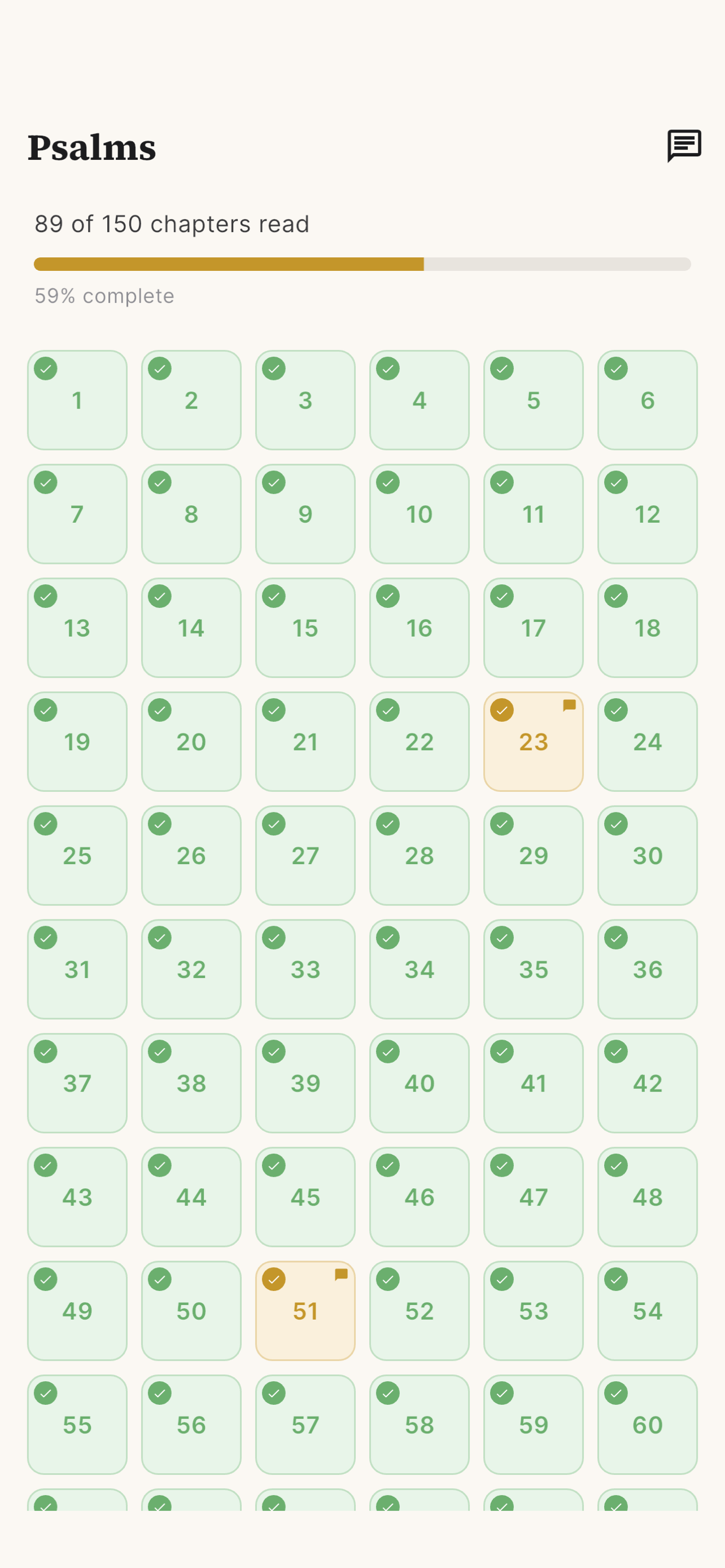
It brings context you might miss. The AI shares insights from the original Hebrew and Greek, historical background, and cross-references to other passages. This enriches the Observation step without requiring you to own a shelf of commentaries. It personalizes over time. Selah builds a reader profile from your conversations — the themes you're drawn to, your strengths, and your growing edges. Each SOAP session becomes more relevant because the AI knows your journey.
Book detail showing chapters read and reflected on
Every conversation is saved. You can revisit past SOAP reflections anytime. This creates the journaling benefit of traditional SOAP without the friction of maintaining a physical notebook. SOAP isn't the only approach. Here's how it compares:
  • Lectio Divina — More contemplative and less structured. Great for listening, but less practical for application. Selah offers this mode too.
  • Inductive Bible Study — More rigorous (Observation, Interpretation, Application). Better for deep study, but heavier. SOAP is essentially a lighter version.
  • Topical Study — Follows a theme across multiple passages. Useful but can miss context. SOAP keeps you grounded in a single passage.
  • Devotional Reading — Casual and reflective. SOAP adds structure without removing the devotional feel.
For most people, SOAP hits the sweet spot: structured enough to be productive, simple enough to be sustainable. Here's a practical way to start:
  1. Pick a short book. Philippians (4 chapters) or James (5 chapters) are perfect for beginners.
  2. Read one chapter. Don't rush. Read it twice if you can.
  3. Open your journal or app. Walk through S-O-A-P for the verse or passage that stood out most.
  4. Spend 10-15 minutes total. That's it. Consistency beats intensity.
  5. Do it again tomorrow. The habit compounds. By the end of the book, you'll have a collection of personal reflections that mean something.
Selah — Bible CompanionTrack your Bible reading and reflect with an AI companion.

Download on the App Store
Have you tried the SOAP method? I'd love to hear what's worked for you — connect with me on LinkedIn.
Share this post: